

Why I Named My Therapy Business 'Virgil'
And the power of tuning into our wise inner guide.

There’s a moment in the therapy process when something wordless begins to move. An access point arises. A feeling is sensed. Something shifts. A small, significant voice makes itself known.
It’s the voice we often ignore in ‘everyday’ life. Because it doesn’t shout. It doesn’t demand. It doesn’t explain itself. It simply gestures toward what feels true.
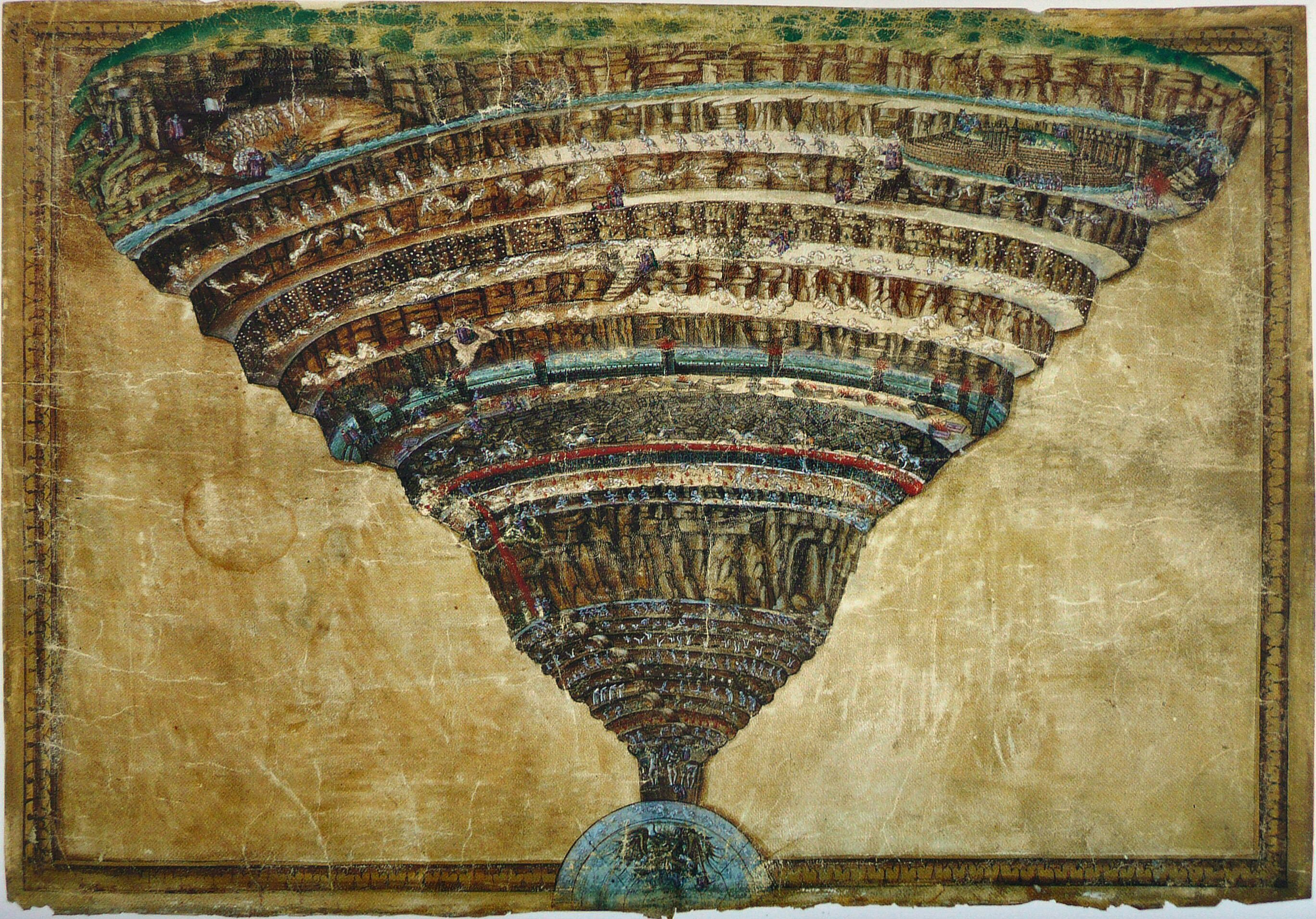
In mythology and literature, this voice has a thousand names. For Dante, it was Virgil: the steady, poetic guide who led him through the underworld and down (yes, down) toward the light. In Jungian psychology, it’s the Self: the organising centre of the psyche that draws us toward wholeness. In ordinary language, it might be called intuition, creative intelligence, a gut feeling, or our inner knowing.
Whatever we call it, this guiding presence lives in all of us. It is the archetype of the inner sage companion; the knowing one within. And yet, so often, we resist it.
Why we resist being led
The paradox is that while we long to access our inner truths, we often fear surrender. We crave clarity, but resist being shown evidence for something that might jeopardise our current patterns of behaviour—our learned ways of being and the stories that come with them.
Many of us learned early it wasn’t safe to be in our bodies, or feel our feelings. That to be led was to be controlled; that to trust our gut was to risk being disappointed or worse. For others, our culture’s fixation with “doing” rather than being makes slow, gentle listening to oneself feel weak or indulgent. The myth of the self-made, productive person leaves little room for noticing, let alone following, our felt senses and inner nudges.
But the kind of deep knowing the inner guide offers is different. It’s relational, not hierarchical. It doesn’t impose, it invites. It doesn’t tell you what to do. It simply allows meaning to emerge.
To follow this inner guide is not to abandon yourself, but to accompany yourself. It’s to become the one who can radically be with what is, without forcing an outcome.
The guide as mirror
In Dante’s Divine Comedy, Virgil can lead our protagonist only so far. Through the dark, through the fear, but not all the way into paradise. That final step must be taken by the self.
I love this as a metaphor for therapy, and for life itself. Any guide, whether external or internal, is only so powerful. Their role is to mirror what’s already within you—to help you recognise what matters most, so that eventually, you can know your values, choose differently, and take action.
In experiential and creative arts therapy, this process unfolds through image, movement, sound, and dialogue. Meaning arises from arts materials, from the body, and from the therapeutic relationship. When we slow down enough to listen, we discover that our own wise inner knowing is always speaking to us. The arts process simply gives it a form and a language.
Sometimes what emerges is tender, sometimes chaotic. But beneath it all runs a current of intelligence. Something in us that knows how to move toward meaningfulness and change.
This, to me, is the essence of the wise inner guide. They’re no authority figure. They’re our natural orientation toward presence, reflection, and deep listening. Toward our own truth.
Listening for guidance
The work, then, is learning how to listen to oneself. How to listen beyond the ego’s urgency. Beyond what we think we know. To allow ourselves to be long enough to hear what the body, the breath, the process, the image, the space between us—is saying.
When we begin to listen, we notice the difference between learned patterns and new potentialities; between the inner critic and the inner companion. The critic demands perfection. The companion offers presence. The critic says, you must. The companion says, you are and you may.
This is the invitation of arts-based therapy: to become intimate with your own guiding inner knowing. To recognise that sense, that voice. To practice allowing it, listening to it, trusting it, and walking with it through the not-yet-known.

Why I named my practice Virgil Therapy
I chose the name Virgil for my arts-based therapy practice—which just launched and you’re the first to know—because it symbolises the archetype of inner knowing itself—the one inside us that can guide us through what feels fearsome. And still move forward.
In Dante’s story, Virgil doesn’t rescue or fix. He illuminates the path just enough for the next step to appear. That’s what I believe therapeutic work can offer: not answers, but alongsideness.
To honour that archetype is to remember that wisdom isn’t something we acquire. It’s something we learn to recognise within ourselves. Virgil Therapy is an expression of faith in that process. And in the creative intelligence that lives inside all of us, waiting to be attuned to.
We all have an inner Virgil. The invitation is to let them lead.
Whether you’re looking for a body/arts-based therapist or not, I hope Virgil Therapy resonates with you and I’d love to hear your thoughts on my new website, and overall new profession ;)
My perspectives and experiences as a registered therapist will continue to inform everything I offer in this (albeit personal and informal) space. And I’d love to invite you join the Creative Kin tier or Founding Circle tier of my Substack for collective tarot readings, creative resources, embodied practices, and live gatherings from a therapeutic framework.
Thank you for meeting me at this particularly potent threshold. I’m glad you’re here.
With care,
Jerico